Core Services
Six core service areas to comprehensively meet your facility management needs
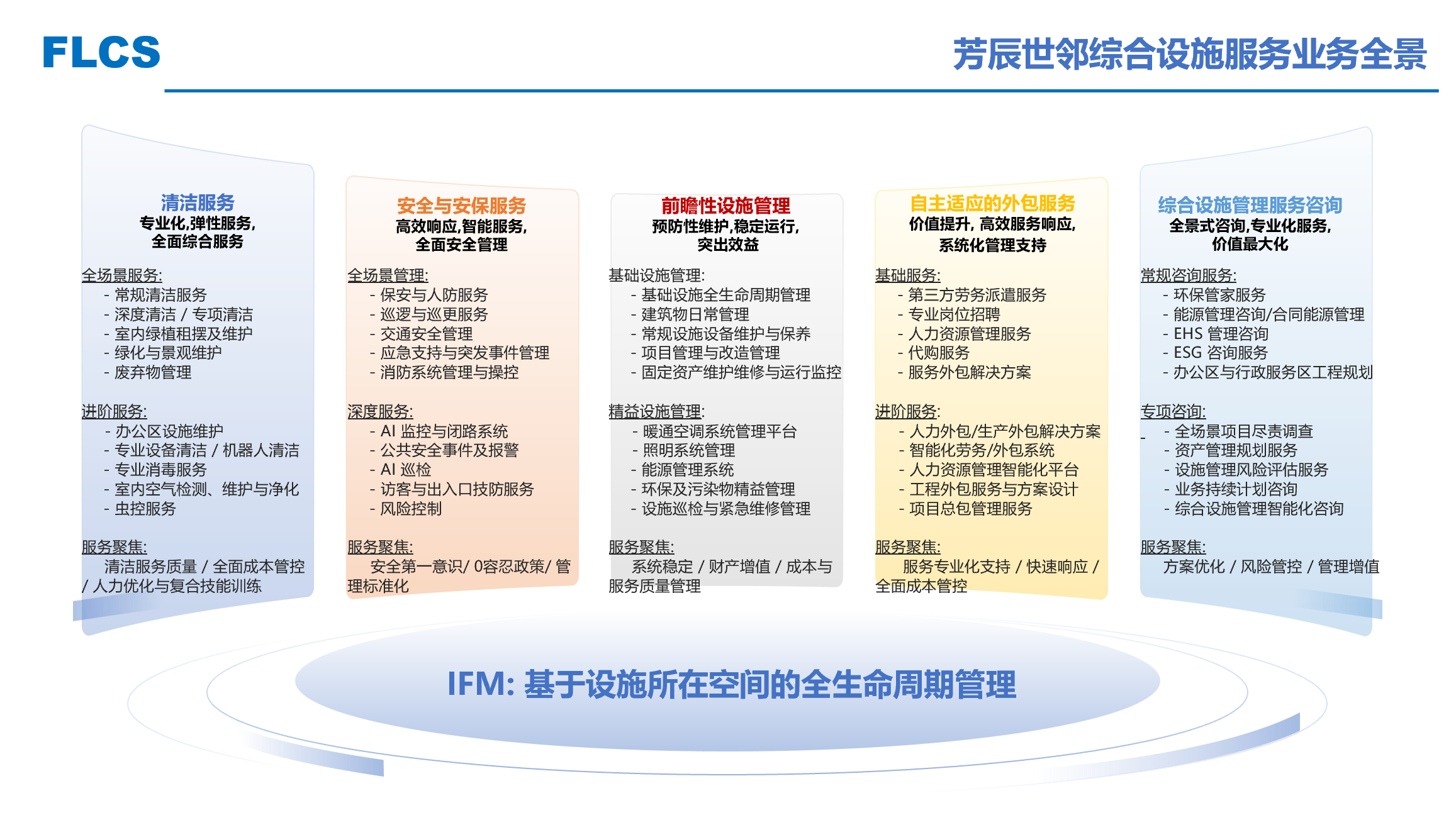
IFM Integrated Facilities Management
One-stop service with full lifecycle management—so customers can focus on core business while operations stay safer, more reliable, and more efficient.
IFM (Integrated Facility Management)
An integrated approach to intelligent space management, leveraging modern management methodologies. By coordinating assets, equipment, processes, and personnel within built environments, it drives operational efficiency and sustainability. IFM transcends single-service silos by unifying technology, energy, security, and maintenance into a cohesive ecosystem, delivering a comprehensive one-stop solution for enterprises and organizations.
IFM: Management of facilities and their spaces throughout the entire lifecycle
Consulting Services
Comprehensive consulting, professional service, maximum value
General Consulting Services
- •Environmental Stewardship Services
- •Energy Management Consulting / Energy Performance Contracting
- •EHS Management Consulting
- •ESG Consulting Services
- •Office and Administrative Services Area Engineering Plan
Specialized Consulting
- •Full-Scale Project Due Diligence
- •Asset Management Planning Services
- •Facility Management Risk Assessment Services
- •Business Continuity Planning Consulting
- •Smart Consulting for Integrated Facility Management
Service Focus
Solution Optimization / Risk Management / Value-Added Management
Project Acceptance Consulting, Asset Management, Facility Planning, Hazard Identification and Rectification, Digital Safety Production Platform, Carbon Footprint Verification, Environmental Safety & Occupational Health (EHS) Stewardship & Hazardous Chemical Emergency Response, Management of Change (MOC), Cost Optimization, Business Continuity Planning (BCP), EHS Consulting, Logistics Management Design and Planning, Internal Audit, and other value-added services. Additionally, we offer general management courses, management systems training, and safety and environmental consulting services.
Human Resources Services
Adaptive self-optimization, value enhancement, rapid service response, and systematic management support.
Basic Services
- •Third-party labor dispatch services
- •Professional Job Openings
- •Human Resources Management Services
- •Outsourcing Solutions
Advanced Services
- •Labor Outsourcing / Production Outsourcing Solutions
- •Intelligent Labor & Outsourcing System
- •Intelligent Human Resource Management Platform
- •Engineering Outsourcing Services and Solution Design
- •Project General Contracting Management Services
Service Focus
Specialized Support / Rapid Response / Comprehensive Cost Control
Our services include labor dispatch, recruitment, purchasing assistance, outsourcing, project management, and general contracting.

Facility Upgrades and Modernization
Engineering services for upgrading, retrofitting, or expanding existing factory buildings, facilities, and systems, categorized under the "Engineering" segment of MRO services.
Service Area
- •
Facility Upgrades and Modernization
Old industrial building renovation, cleanroom retrofit, HVAC system upgrade, power capacity expansion, and lighting system (LED/smart lighting) modernization
- •
Production Line Retrofit and Relocation
Partial production line renovation, equipment relocation, layout changes, and integration of new and old equipment.
- •
Public System Renovation
Energy-saving retrofit of compressed air systems, upgrade of water treatment systems, and new construction/retrofit of waste gas treatment facilities
- •
Security and Compliance Modernization
Fire system upgrades, explosion-proof retrofits, and occupational health facility renovations to meet the latest regulatory requirements.
- •
Intelligent Upgrade
Factory IoT cabling, 5G private network deployment, smart surveillance and access control installation, AGV deployment, and digital twin management.
Engineering Services
Professional team, industry expertise, digital management, high-quality and efficient implementation capabilities, and full lifecycle management
Proven experience and technical expertise in project management across semiconductors, electronics, automotive, chemicals, precision equipment manufacturing, healthcare, education, and R&D centers.
Leveraging the Fangling Smart O&M Platform, FLCS has developed a professional digital project management module. With extensive experience and strong execution capabilities, we manage the entire project lifecycle—from feasibility studies and initiation to solution finalization, execution, acceptance delivery, ongoing operations, and full-lifecycle management.
Project Management Key Points
- •
Quick Start
Control the project initiation-to-construction timeline within 1-2 months.
- •
Standardized Quotation
Establish standardized processes and pricing templates to reduce quote turnaround time.
- •
Multi-disciplinary Collaboration
Typically involves synchronized work across multiple disciplines, including mechanical, electrical, and civil engineering.
- •
Party A Integration
Coordinate closely with production schedules to support ongoing operations and accommodate on-site construction needs.
- •
Acceptance and Documentation
Deliver as-built drawings, operation manuals, and training records simultaneously.
Energy Savings and Investment
Under the conditions of cost reduction and efficiency improvement, lean management, and guided by the "Dual Carbon" goals and sustainable development strategy, energy conservation and efficiency enhancement have shifted from an optional measure to a necessary path for boosting core competitiveness and achieving high-quality development.
ApprovedIOT Data Acquisition、System Linkage ControlOptimize overall system efficiency; identify energy-saving retrofit opportunities, replace inefficient equipment and facilities with cutting-edge high-efficiency technologies to reduce energy consumption and improve energy efficiency per unit.
Energy Optimization Services
- •
Energy Optimization Service (Leveraging distributed system control and comprehensive IFM O&M data to support full-site digitalization, optimizing system efficiency and reducing energy consumption and emissions) to achieve energy savings and enhanced O&M effectiveness.
- •
Monitor energy consumption and trigger anomaly alerts during routine inspections.
- •
Energy Monitoring: Weekly utility consumption data (water, electricity, gas), monthly energy analysis reports, and leak detection.
- •
Energy-efficient operations: Optimize strategies for utility equipment such as chillers, cooling towers, boilers, HVAC systems, air compressors, and water pumps to improve operational efficiency.
- •
Energy Efficiency Retrofit: On-site assessment with a free retrofit plan, including estimated energy savings and ROI.
- •
Results Summary: Annual energy savings data and quantified cost reduction
Energy-Saving Case Studies
01. LED Lighting Retrofit Solution

Nighttime city scene with LED streetlights. The upgraded LED lighting provides uniform, soft illumination, significantly improving road safety and comfort while drastically reducing energy consumption.
1. Project Background and Pain Points
Traditional high-pressure sodium and fluorescent lamps suffer from high energy consumption and low luminous efficacy, leading to significant energy waste. Their short lifespan necessitates frequent replacements, substantially increasing urban operational and maintenance costs.
II. Technical Core: High Efficiency, Energy Saving, and Intelligent Control
Equipped with high-quality LED light sources boasting a photoelectric conversion efficiency exceeding 80%, and integrated with an IoT-based smart control system for "on-demand lighting" and intelligent dimming. With a lifespan of up to 5 thousand hours, it lasts 3 to 5 times longer than traditional fixtures.
Comprehensive Energy Saving Rate Range (Zhuzhou Case)
Annual energy savings with significant economic benefits
Short payback period and quick return on investment.
Replacing old streetlights with wide coverage
02. Chiller Variable Frequency Drive Retrofit and Control System Optimization Plan
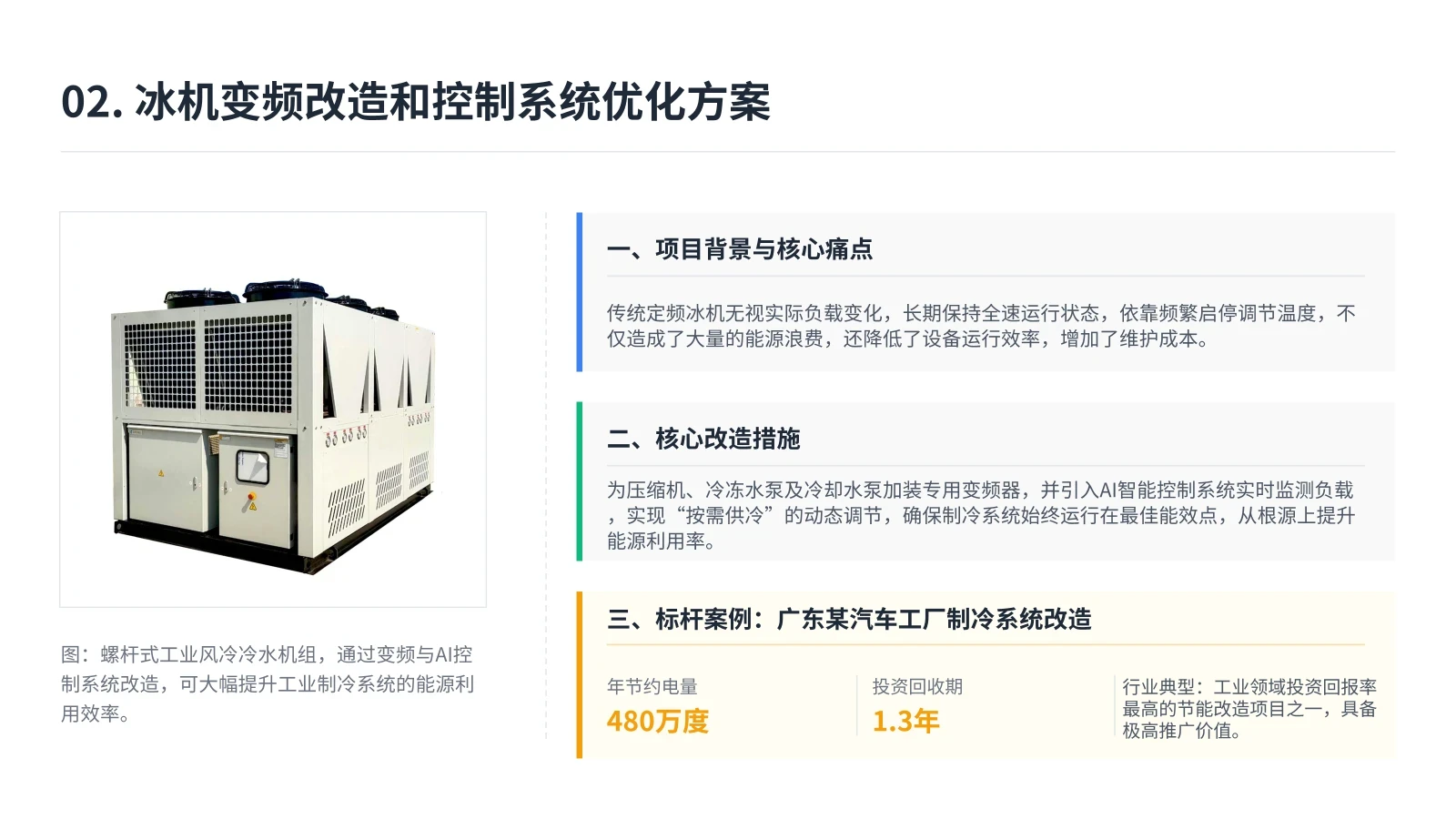
Screw-type industrial air-cooled chiller. Retrofitting with variable frequency drive and AI control systems significantly improves energy efficiency in industrial refrigeration.
1. Project Background and Core Pain Points
Traditional fixed-speed ice machines ignore actual load variations and operate at full speed continuously, relying on frequent start-stop cycles to regulate temperature. This results in significant energy waste, reduced equipment efficiency, and increased maintenance costs.
II. Core Transformation Measures
Install dedicated variable frequency drives (VFDs) for the chillers, chilled water pumps, and cooling water pumps. Integrate an AI-powered control system to monitor load in real time, enabling dynamic "cooling-on-demand" adjustments that keep the refrigeration system operating at peak energy efficiency.
3. Case Study: Refrigeration System Retrofit at a Leading Automotive Plant in Guangdong
03. Air compressor waste heat recovery solution
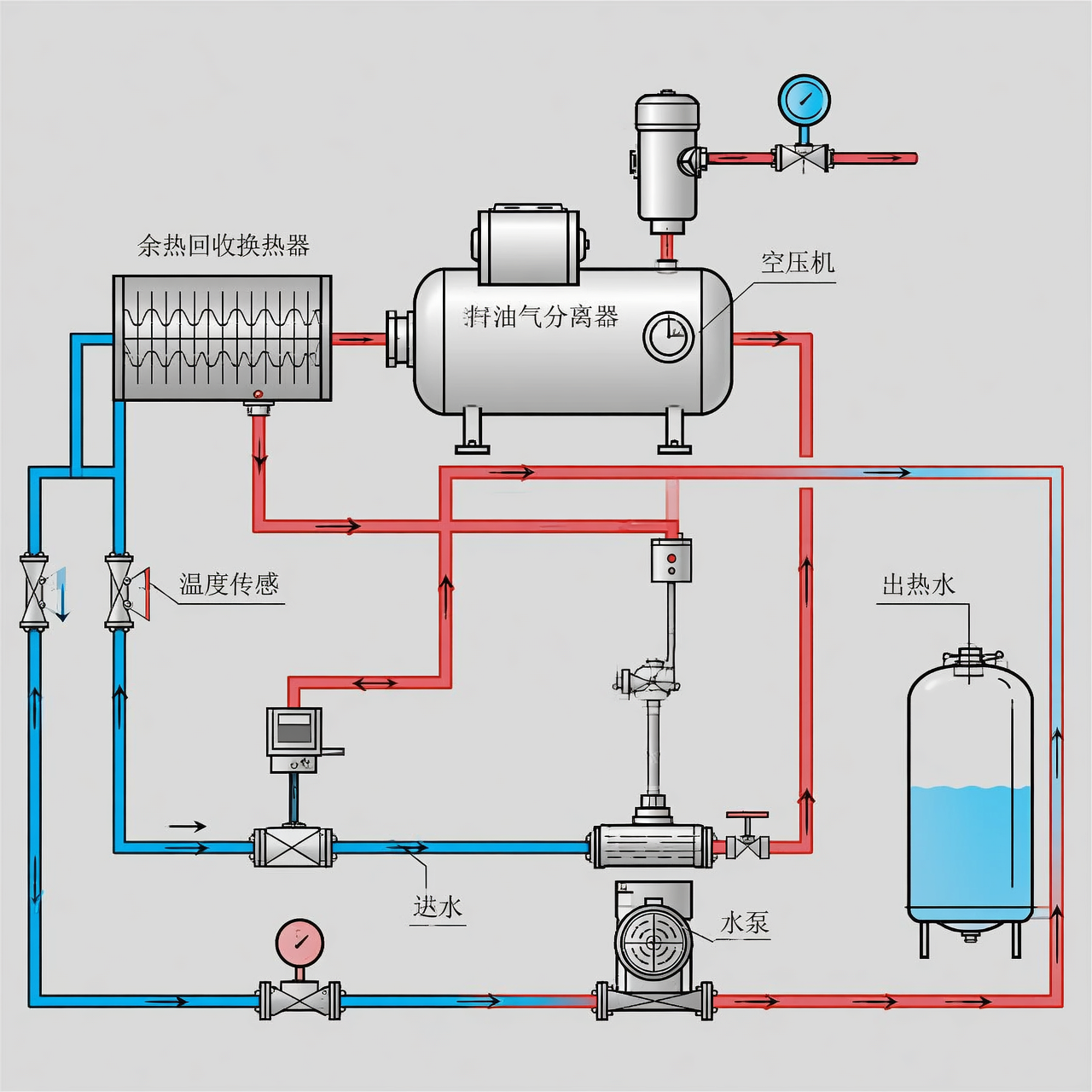
The image shows a screw-type air compressor commonly used in factory workshops. The significant waste heat generated during operation, if released directly, not only wastes energy but also increases the environmental cooling load. This makes the equipment a key target for energy-saving and emission-reduction upgrades.
I. Project Background and Core Pain Point: The Dilemma of Dual Energy Waste
During operation, approximately 85%-90% of the energy consumed by air compressors is released as waste heat, resulting in significant energy loss. Meanwhile, enterprises must still consume additional fuel or electricity to meet hot water needs for production and daily use, creating a dual-energy consumption scenario where heat is wasted while more energy is used.
II. Retrofit Measures and Technical Principles: Cascaded Recovery and Utilization of Waste Heat
The core technology involves installing an efficient waste heat recovery system. A dedicated heat exchanger captures high-temperature waste heat generated during air compressor operation and transfers it to the chilled water circulation loop. The heated water is then directly supplied for employee showers, process tracing, and other applications, replacing traditional electric or gas heating methods.
04. High-Efficiency Fan Utilization Plan
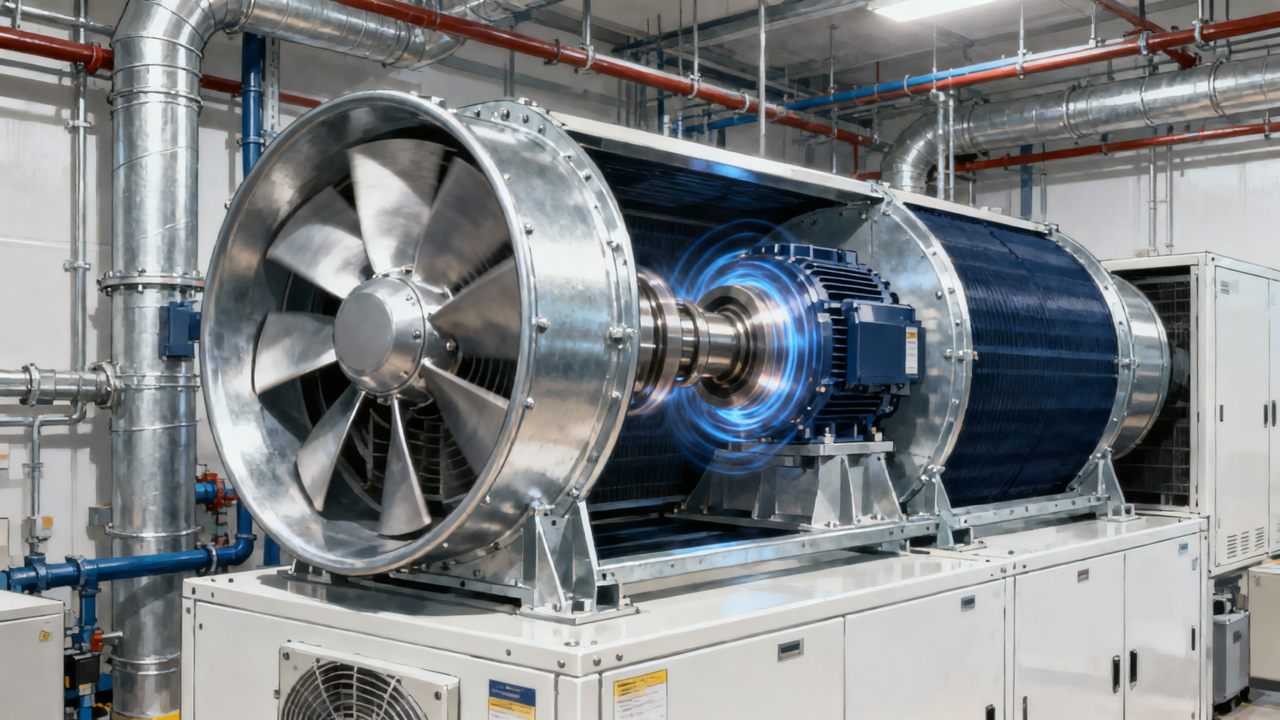
High-efficiency, energy-saving fan unit featuring advanced permanent magnet direct-drive technology and streamlined blades to reduce operating resistance and boost overall system efficiency.
1. Project Background and Core Pain Points
Traditional fan system designs are outdated, relying on inefficient damper control. This causes severe energy waste and results in actual operating efficiency far below design specifications, making them a high-energy-consumption bottleneck in industrial production.
2. Retrofit Measures and Technical Principles
Replace old equipment with high-efficiency, energy-saving fans featuring permanent magnet direct drive and variable frequency control. Leveraging the principle that fan power consumption scales with the cube of speed, adjust airflow and pressure on demand to maximize energy savings at the source.
Case: Guizhou Chitianhua Retrofit
The equipment operates stably, with all metrics exceeding technical agreement requirements. It passed acceptance testing successfully and delivers significant energy savings.
05. Magnetic Levitation Air Compressor Utilization Plan
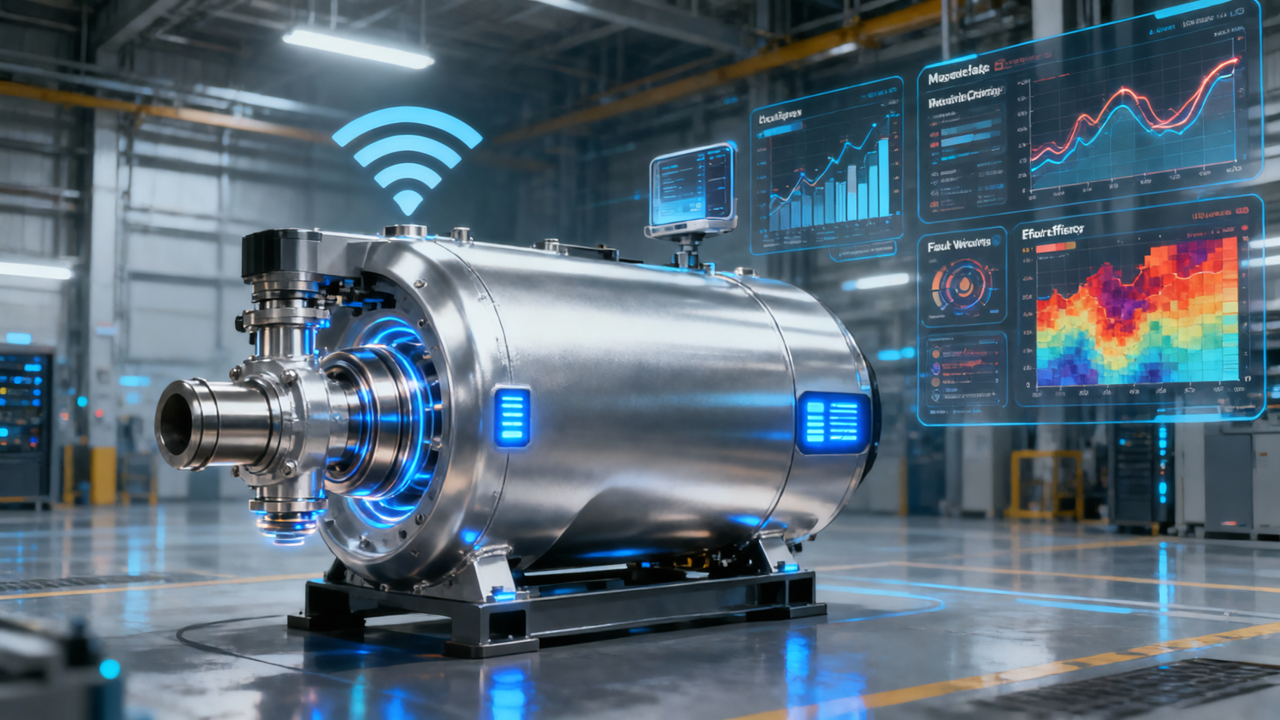
The magnetic levitation centrifugal air compressor uses advanced maglev bearing technology to achieve non-contact, frictionless rotor operation. It is the next-generation high-efficiency, energy-saving industrial power equipment.
1. Pain Points of Traditional Solutions
Traditional air compressors suffer from mechanical friction, oil contamination risks, high noise levels, and costly maintenance. They also produce low-quality compressed air that fails to meet the stringent standards of precision manufacturing, pharmaceuticals, food processing, and other high-end industries.
II. Core Technology Breakthroughs
Uses electromagnetic force to levitate and spin the rotor at high speed, achieving 100% oil-free, frictionless operation. Eliminates lubricant contamination at the source while significantly reducing energy consumption and mechanical wear, delivering an ultra-pure and stable compressed air supply for production.
Overall Project Energy Saving Rate
Annual electricity cost savings
Significantly reduced maintenance costs
06. Rooftop Solar Installation (Distributed PV) Solution
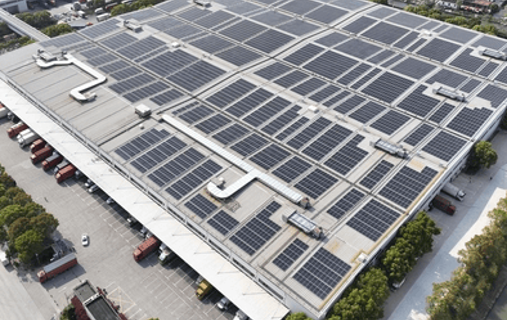
The image shows a real-world commercial and industrial rooftop distributed PV project. By installing high-efficiency photovoltaic modules on idle rooftops, building space is transformed into a clean energy production hub, delivering dual benefits of energy self-sufficiency and carbon emission reduction.
1. Project Background and Core Pain Points
Enterprises typically have vast unused rooftop space while facing high commercial and industrial electricity costs during daytime operations, with energy expenses accounting for a significant portion of their budget. There is an urgent need to leverage this idle space, transforming passive spatial assets into active energy production capacity to reduce operating costs.
2. Retrofit Measures and Technical Principles
Adopt a "self-consumption, surplus-to-grid" model by installing distributed solar PV systems on factory rooftops. Harness the photovoltaic effect of semiconductor materials to directly convert sunlight into clean electricity, prioritizing the enterprise's own power needs for production and daily operations, with excess energy fed back into the grid.
3. Benchmark Case: Shanghai Lingang Zhixin Yuan 1100KW Project
Annual Average Power Generation
Self-consumption ratio
Annual electricity cost savings
07. Energy Storage Utilization (Commercial & Industrial Energy Storage) Solution
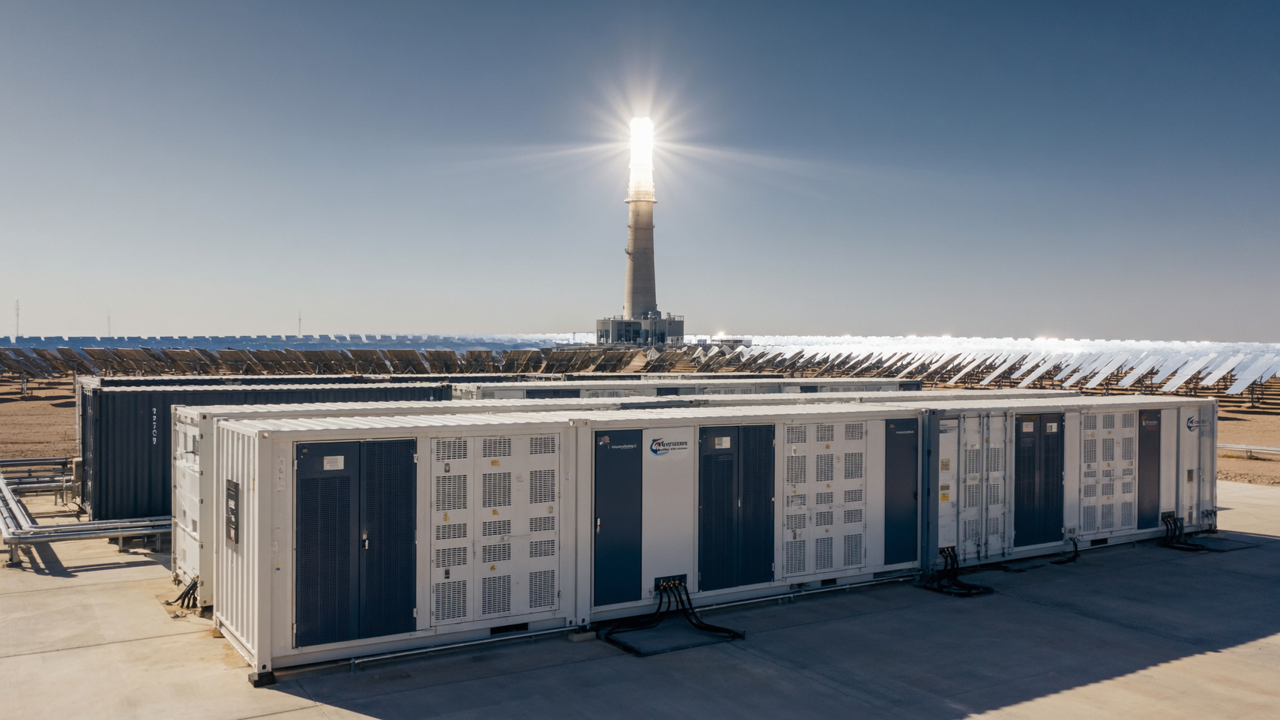
All-in-one commercial and industrial PV energy storage cabinet integrating core components such as batteries, PCS, and BMS. Features high safety, easy deployment, and intelligent management.
1. Project Background and Core Pain Points
Current commercial and industrial electricity pricing continues to widen the peak-to-valley spread, placing significant cost pressure on businesses during peak production hours. Traditional power consumption models lack flexible adjustment mechanisms, making it difficult to manage operational risks caused by price volatility.
II. Core Measures and Technical Principles
By building an electrochemical energy storage power station, the battery system charges during low-price off-peak hours at night and discharges to supply power during high-price peak hours in the day. This achieves "peak shaving and valley filling," effectively reducing a company's peak electricity load and generating revenue from the price difference between peak and off-peak rates.
Benchmark Case: Overall Cost Reduction
Hunan Qidong High-tech Zone: Annual Electricity Cost Savings
Project Investment Payback Period